


Breaking News

Bank-Fintech Partnerships: Compliance Becoming A Dealbreaker
In recent years, bank-fintech partnerships have exploded, with banks and fintechs choosing to collaborate instead of viewing each other solely as competitors.
These partnerships unlock more innovative ways for customers to send, spend, and manage their money.
For banks, partnering with fintechs means being able to adopt new technologies faster and cheaper than building them in-house, while fintechs can benefit from greater resources and the opportunity to reach more customers around the world.
The Role of BaaS Providers
Many of these partnerships are facilitated by Banking-as-a-Service (BaaS) providers, which serve as the intermediary between banks and fintechs.
BaaS providers are particularly useful in countries where fintechs are unable to hold a banking license or link up to payment systems themselves.
Compliance Concerns
However, partnerships supported by BaaS could be under threat, as examples of companies falling down on compliance have inspired fresh regulatory scrutiny across the US, UK, and Europe.
For instance, US-based Blue Ridge Bank filed a public agreement with the Office of the Comptroller (OCC) in September 2022, after the regulator raised concerns about their BaaS model and whether their compliance infrastructure could keep pace with their growth.
Similarly, Solaris, a BaaS provider based in Germany, faced scrutiny from their regulator BaFin when they reported high business volumes but were found to be falling short on compliance. Railsr, a BaaS provider in the UK, is also being monitored by the Financial Conduct Authority (FCA) following concerns about the business’ health.
Resisting Broad, Sweeping Regulation
While it’s understandable that regulators will increase oversight of partnerships facilitated by BaaS providers, there is a risk that what is in reality isolated incidents could lead to a backlash that makes bank-fintech partnerships appear far riskier than they are and put banks and fintechs off of them for good.
Initiating a crackdown on the industry as a whole is like punishing the whole class because one student didn’t turn in their homework.
The Importance of Existing Regulation
The truth is that regulation in its current form should be sufficient to prevent compliance failures and keep customers safe.
The problem isn’t that this regulation doesn’t exist, but that some providers either aren’t taking it seriously enough or are struggling to understand its demands.
Regulators can help by providing specific learnings from incidents, allowing all banks, fintechs, and BaaS providers to revisit their compliance procedures and make sure they have the tools in place to meet demands.
Moving Forward
In conclusion, it’s essential to strike a balance between regulatory oversight and the benefits of bank-fintech partnerships.
While more and more stringent regulation will make partnerships the domain of large, well-resourced companies, it will eliminate fresh competition, which does a disservice to the industry and consumers alike.
The industry and customers around the world will continue to benefit from the products and services made possible by cross-industry collaboration in the years to come.
- Smartstream: The Evolutionary Leap from Process Automation to Full Autonomy Read more
- How NOTO and Opus Advisory Group Are Unifying Fraud Prevention | NOTO, Opus Advisory Group | The Fintech Show #163 Read more
- AQMetrics’ Strategy for Unifying Data, Scaling for AI, and Building Trust Read more
- MPE 2026: G+D Netcetera on the Payment Security Stack Driving Higher Conversion and Lowering Fraud Read more
- InsurTech NY: Camunda on Smarter Workflows Read more
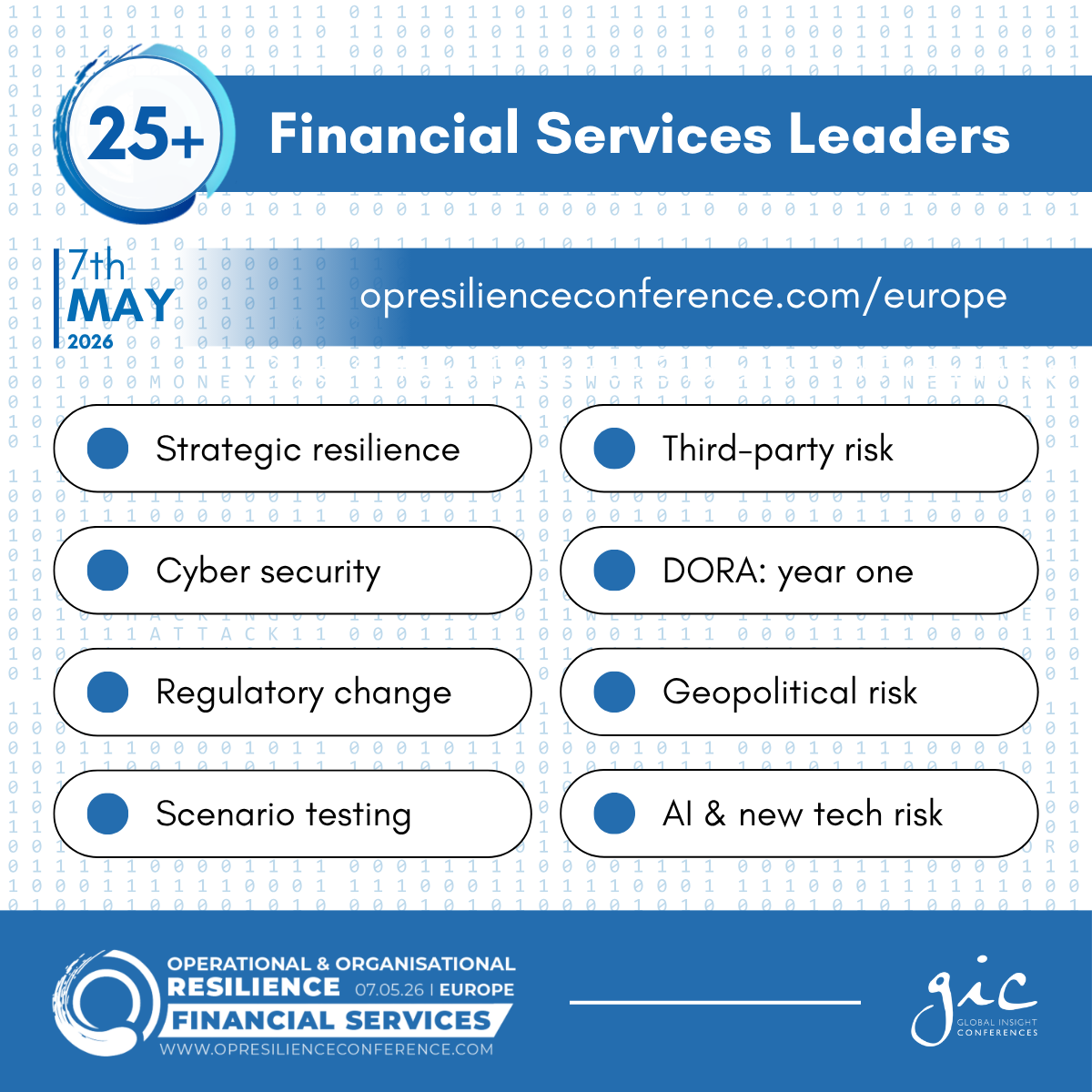

NEW Revolut UK CEO to make Conference Debut at MoneyLIVE Summit
Share this post: Share on LinkedIn Share on X (Twitter) Share on Facebook Share on […]

2024’s Financial Innovators: A New Era of Banking Startups
Share this post: Share on LinkedIn Share on X (Twitter) Share on Facebook Share on […]
C-suite Banking and Payments Leaders From Across Europe Set to Meet at London’s MoneyLIVE Summit in March
Share this post: Share on LinkedIn Share on X (Twitter) Share on Facebook Share on […]
The Evolution of Digital Wallets: A Shift from Physical Cards by 2030
By 2030, we can expect digital wallets to become the preferred payment instrument, offering a myriad of non-payment-related services for consumers.
Payment Technology Trends Shaping 2024 and Beyond
Share this post: Share on LinkedIn Share on X (Twitter) Share on Facebook Share on […]
The Future of Digital Payments: Exploring PayPal Alternatives
Share this post: Share on LinkedIn Share on X (Twitter) Share on Facebook Share on […]
Nubank: Supercharged Banking and Predicted to Soar Beyond $100 Billion
In this blog, we will explore two exciting developments that have everyone talking about Nubank: its potential for exponential growth in share value and its remarkable expansion to serve more than 90 million customers across Latin America.

Smartstream: The Evolutionary Leap from Process Automation to Full Autonomy
Share this post: Share on LinkedIn Share on X (Twitter) Share on Facebook Share on […]
How NOTO and Opus Advisory Group Are Unifying Fraud Prevention | NOTO, Opus Advisory Group | The Fintech Show #163
Share this post: Share on LinkedIn Share on X (Twitter) Share on Facebook Share on […]

AQMetrics’ Strategy for Unifying Data, Scaling for AI, and Building Trust
Share this post: Share on LinkedIn Share on X (Twitter) Share on Facebook Share on […]

MPE 2026: G+D Netcetera on the Payment Security Stack Driving Higher Conversion and Lowering Fraud
Share this post: Share on LinkedIn Share on X (Twitter) Share on Facebook Share on […]

InsurTech NY: Camunda on Smarter Workflows
Share this post: Share on LinkedIn Share on X (Twitter) Share on Facebook Share on […]
Finastra: What Banks Must Do for 2026
Share this post: Share on LinkedIn Share on X (Twitter) Share on Facebook Share on […]
InsurTech NY: Fair on Closing Coverage Gaps
Share this post: Share on LinkedIn Share on X (Twitter) Share on Facebook Share on […]