


Breaking News
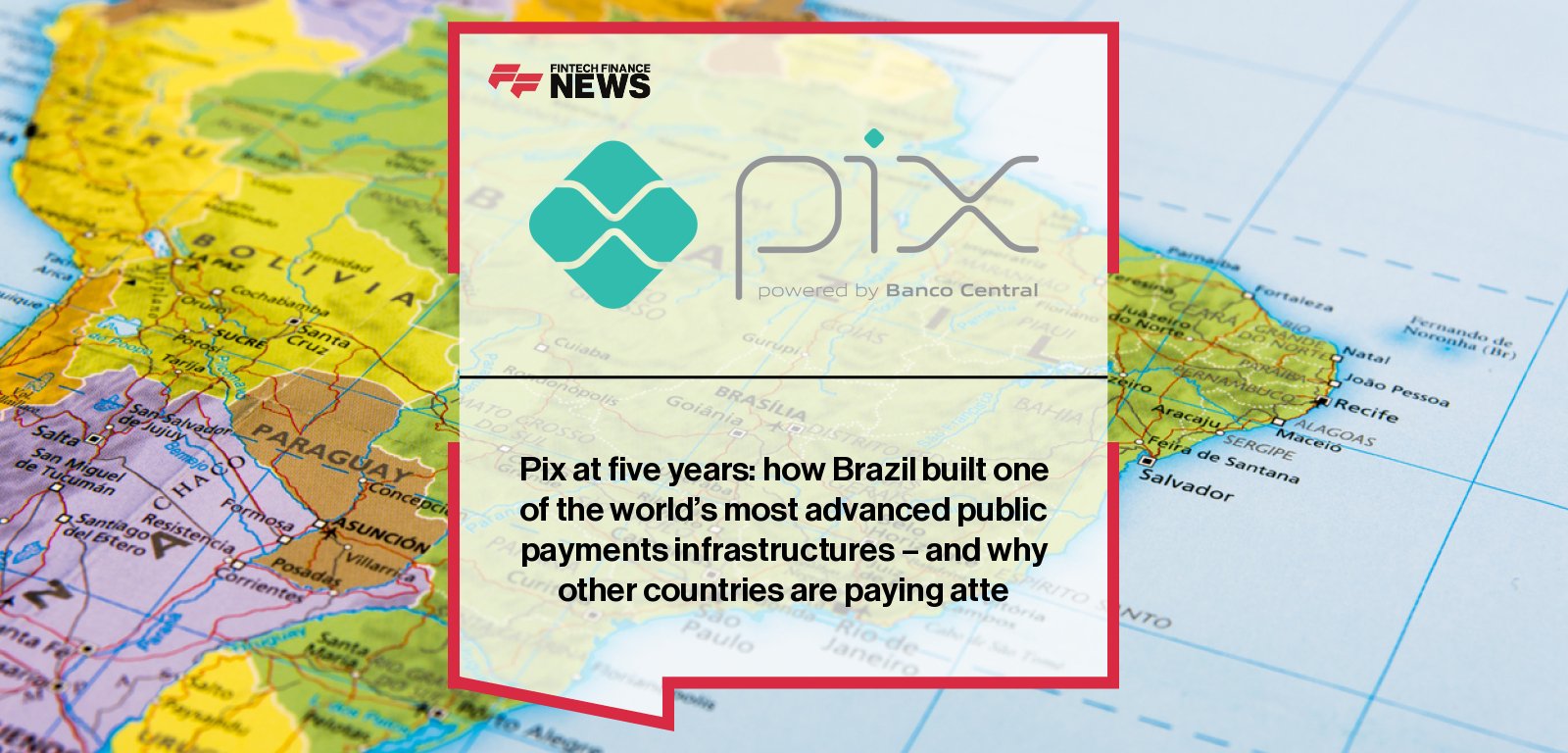
Pix at five years: how Brazil built one of the world’s most advanced public payments infrastructures – and why other countries are paying attention
WHY THIS MATTERS: The meteoric rise of Pix represents a masterclass in the deployment of public digital infrastructure, fundamentally shifting the global conversation around financial utility. By treating real-time payments not as a proprietary bank product but as a core national asset, Brazil has established a new paradigm for economic participation that bypasses legacy banking hurdles.
This shift is critical because it demonstrates that state-led innovation, when executed with open standards and mandatory interoperability, can achieve levels of financial inclusion that market-driven initiatives often struggle to reach. As nations worldwide grapple with aging payment rails and fragmented digital ecosystems, the Pix model offers a resilient, scalable, and highly inclusive alternative. It signals a move toward a future where money moves at the speed of data, underpinned by a regulatory framework that encourages competition while ensuring a unified, secure foundation for all citizens to transact freely.
A new report titled “A New Planet Called Pix,” published by W Fintechs, reveals that Brazil’s Pix system has achieved unprecedented scale five years after its launch. The platform now processes between 6 and 7 billion transactions per month, moving an incredible USD 557 billion in value every month. This activity effectively replaces legacy payment instruments such as bank boletos and TED transfers as the default rail for daily transactions across the country. | With more than 178 million users, Pix reaches around 91% of Brazil’s adult population, a level of penetration rarely achieved by financial products globally in such a short time. The report positions Brazil as a rare, large-scale example of institutional design in practice, demonstrating how governance, standards, and access rules determine whether real-time payments can scale across an entire economy.
FF NEWS TAKE: Brazil has delivered the definitive blueprint for 21st-century financial inclusion. By treating real-time payments as a public good, they have bridged the gap between the unbanked and the formal economy more effectively than any private initiative. This moves the needle by proving that sovereign infrastructure is the most potent tool for democratizing finance. Watch for the “Pix-ification” of credit and cross-border rails to be the next major global disruption.
Companies In This Post

- WeFi Group CEO Maksym Sakharov: Crypto’s Future Depends on Payments Read more
- nCino Appoints Keith Kettell as Chief Revenue Officer to Lead Next Phase of Growth Read more
- Legacy Payments Are Failing Businesses: 9 in 10 See Commercial Variable Recurring Payments as the Way Forward Read more
- Feather Insurance: From Overwhelm To Resilience, Most Expats Face A Relocation Reality Check Read more
- Insurtech Koala Wins New Airline Partnership With Volotea Read more

nCino Appoints Keith Kettell as Chief Revenue Officer to Lead Next Phase of Growth
nCino, Inc announced the appointment of Keith Kettell as Chief Revenue Officer, effective April 1.

Africa’s Leading Fintech, Moniepoint Inc., Enters Kenyan Market With Acquisition of Sumac Microfinance Bank
Moniepoint Inc. ("Moniepoint" or the "Company"), Africa's all-in-one financial platform, announces the completion of its acquisition of Sumac Microfinance Bank Limited ("Sumac"), a Central Bank of Kenya-licensed microfinance institution. The transaction, approved by the Central Bank of Kenya, marks Moniepoint's first major acquisition on the continent and its debut in the East African market

IsDB Group Day in Nigeria Advances Private Sector Engagement and Investment Partnerships
The Islamic Development Bank (IsDB) Group (www.IsDB.org) successfully concluded the IsDB Group Day in Nigeria on 30 March 2026, bringing together senior government officials, private sector leaders, financial institutions, chambers of commerce, development partners, and international stakeholders to strengthen collaboration, promote investment, and enhance private sector–led growth in Nigeria.

Avelacom Expands Across LATAM Through Direct Connection to nuam
Avelacom, the global provider of low latency network and infrastructure solutions, has expanded its Latin American footprint through a direct connection to the infrastructure of nuam, the regional holding company that integrates the stock exchanges of Chile, Colombia, and Peru.

Legacy Payments Are Failing Businesses: 9 in 10 See Commercial Variable Recurring Payments as the Way Forward
GoCardless found that with the upcoming introduction of commercial Variable Recurring Payments in industries such as utilities, financial services, and telcos are poised to significantly reduce lost revenue

Feather Insurance: From Overwhelm To Resilience, Most Expats Face A Relocation Reality Check
Feather's Relocation Reality Check examines the pressure points expats face in their first year abroad

Insurtech Koala Wins New Airline Partnership With Volotea
Koala has partnered with European airline Volotea to deliver a suite of modern, customer-centric insurance and passenger protection solutions
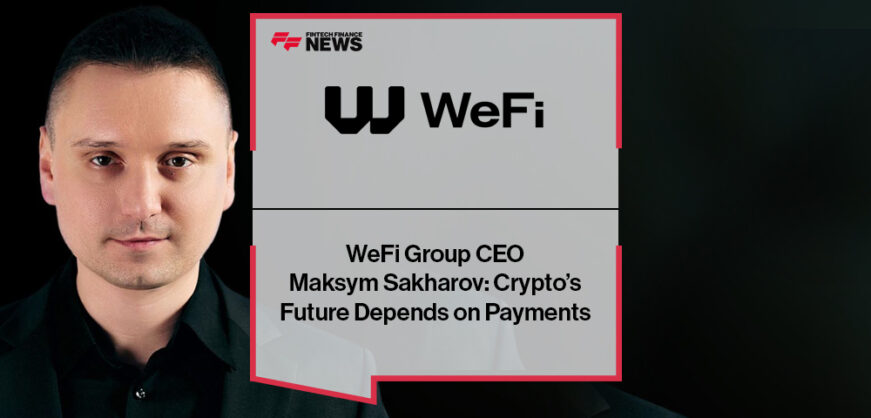
WeFi Group CEO Maksym Sakharov: Crypto’s Future Depends on Payments
Share this post: Share on LinkedIn Share on X (Twitter) Share on Facebook Share on […]

nCino Appoints Keith Kettell as Chief Revenue Officer to Lead Next Phase of Growth
nCino, Inc announced the appointment of Keith Kettell as Chief Revenue Officer, effective April 1.
Legacy Payments Are Failing Businesses: 9 in 10 See Commercial Variable Recurring Payments as the Way Forward
GoCardless found that with the upcoming introduction of commercial Variable Recurring Payments in industries such as utilities, financial services, and telcos are poised to significantly reduce lost revenue
Feather Insurance: From Overwhelm To Resilience, Most Expats Face A Relocation Reality Check
Feather's Relocation Reality Check examines the pressure points expats face in their first year abroad
Insurtech Koala Wins New Airline Partnership With Volotea
Koala has partnered with European airline Volotea to deliver a suite of modern, customer-centric insurance and passenger protection solutions

BPC Launches Essential Guide to Help Banks Power Merchant Networks with SoftPOS
BPC has published a comprehensive guide to help banks and financial institutions deploy SoftPOS technology to expand merchant acceptance

Quadient Collaborates with Lush Cosmetics to Transform Accounts Payable Operations with its AP Automation Software
Lush UK has selected Quadient’s Accounts Payable (AP) automation software to modernise and streamline its finance operations