Crypto Fest 2024: A Unique Celebration of Web3.0 Innovation and Culture in Cape Town, South Africa
By FF Newsroom · 9 September 2024
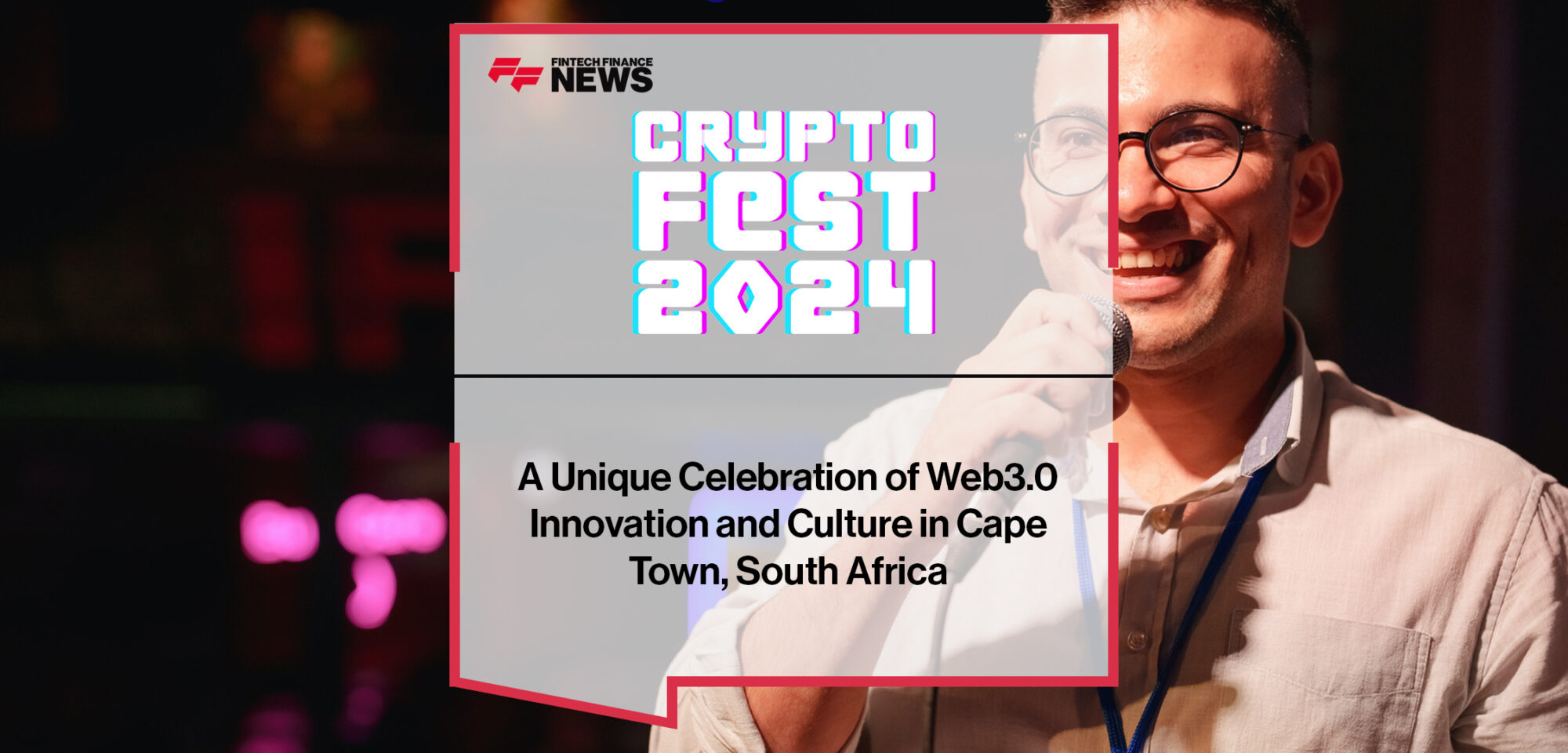
Crypto Fest 2024 returns for its sixth edition in Cape Town, South Africa, focusing on the intersection of blockchain technology and financial inclusion across the African continent. For fintech professionals, the event highlights critical regional trends including stablecoin adoption in emerging markets and the practical application of Bitcoin for cross-border payments within the rapidly evolving African crypto ecosystem.
What was announced
Crypto Fest 2024 is the sixth iteration of the event, scheduled to take place at the DHL Stadium in Cape Town—a venue notable for hosting the 2010 FIFA World Cup. The event is designed to showcase African ingenuity within the global blockchain space, bringing together a mix of global and regional experts to discuss the future of decentralized finance (DeFi) and digital assets. The agenda covers a broad spectrum of fintech and Web3 topics, specifically tailored to the African market. Key discussion areas include the role of stablecoins in emerging economies, leveraging Bitcoin for payments, and how blockchain and AI can be harnessed for decentralized economies. Beyond technical discussions, the event will explore cryptocurrency market analysis, investment strategies, risk management, and the technical challenges of blockchain interoperability and scalability. The festival also incorporates elements of the broader digital culture, including sessions on Memecoins and NFTs. Attendees can expect a combination of hands-on workshops and panel discussions aimed at both seasoned professionals and newcomers to the space. The event aims to foster networking opportunities and collaborations while integrating local cultural experiences, such as tours of Table Mountain and Kirstenbosch Gardens, to highlight the host city's role as a growing hub for technological innovation. A variety of tickets for the event have been made available through the official website.
"We are hosting Crypto Fest 2024 in South Africa to highlight the incredible potential of blockchain and digital assets to drive financial inclusion and economic growth across the continent. Cape Town's unique blend of natural beauty and innovative spirit makes it the perfect location to celebrate the advancements in the Web3.0 space and to inspire future innovations."
Sonya Kuhnel, Co-founder and Managing Director of Bitcoin Events
The companies involved
Bitcoin Events is the primary organizer behind Crypto Fest 2024, now entering its sixth year of operation. The organization focuses on creating platforms that highlight the intersection of blockchain technology, culture, and innovation within the African continent. By hosting events in major South African hubs, the company aims to showcase the continent's dynamic and rapidly growing crypto ecosystem to a global audience. Bitcoin Events positions itself as a facilitator for education and networking, targeting a diverse demographic that ranges from seasoned fintech professionals to entrepreneurs and thought leaders. The company’s strategy involves integrating technical workshops with cultural elements to provide a comprehensive view of how digital assets are being adopted in regional markets. Through its leadership, including Co-founder Sonya Kuhnel, the organization emphasizes the role of digital assets in driving financial inclusion and economic growth. This focus on the Web3 space and decentralized economies reflects the company's position as a key coordinator for blockchain-related discourse in the region, aiming to inspire future innovations by connecting global experts with local African innovators.
What this means
The focus on stablecoins and Bitcoin payments at Crypto Fest 2024 reflects a pragmatic shift in the African fintech sector. While global markets often treat crypto as a speculative asset, the African market is increasingly viewing it as a utility for solving real-world friction in cross-border trade and currency volatility. This puts traditional remittance providers and legacy banks under pressure to adapt or risk losing market share to decentralized alternatives. The inclusion of AI and interoperability suggests that the regional industry is moving toward more complex, automated financial systems. The primary question remains whether regulatory frameworks can keep pace with this innovation without stifling the financial inclusion these technologies promise.