How video games introduce the young to Fintech
By FF Newsroom · 30 September 2019
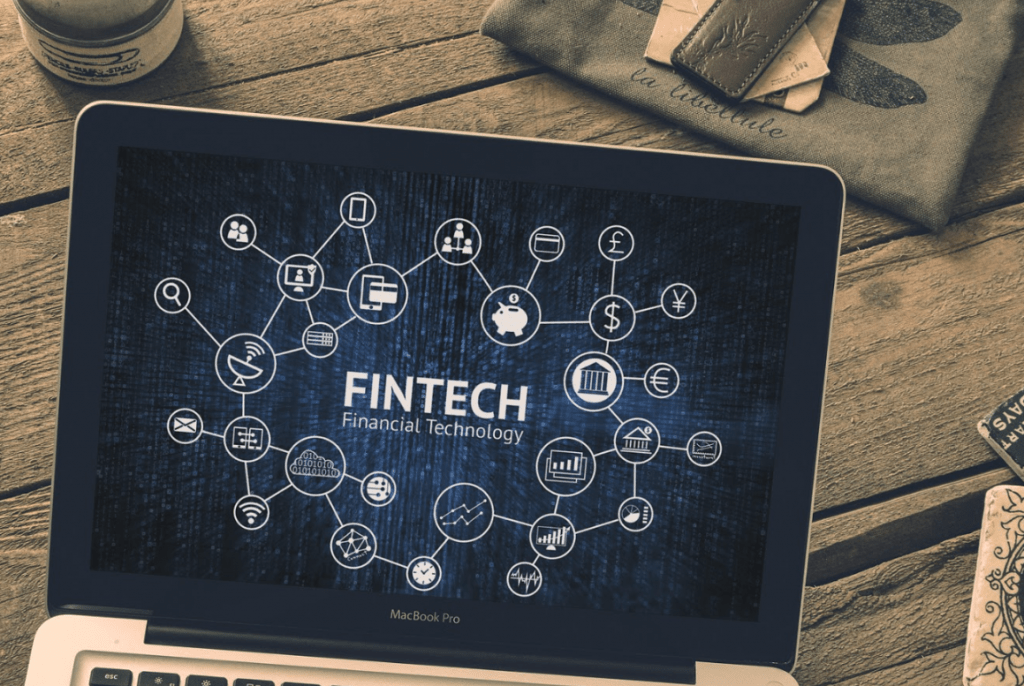
Fintech is predominantly associated with the digital lives we are getting used to every single day. However, it’s very hard to explain it to somebody who is very young just how these new fintech platforms work in the grand scheme of things.
Think about it, how’d you explain fintech to somebody who knows nothing about both finance and technology? Through a terminology that they’re used to right? Well, that’s still not yet enough to “breed” future customers of these large corporations utilizing the most recent technologies for their new projects.
However, what is enough is the introduction of these young future customers to the platform via interaction rather than a verbal explanation. And this is done extremely well through digital activities such as video games, streaming, and various other crowdfunding websites.
Let’s look into what exactly these young customers use in order to familiarize themselves with the fintech industry on a daily basis.
Video games and microtransactions
The first thing that would mostly be mentioned about video games and finances is the purchasing process of the games. Although it’s usually done through a very simple input of credit card details on cloud service platforms like Steam and others, it’s becoming less and less common for modern games.
The fact is that games developed in the 21st century mostly rely on microtransactions to generate income.
In fact, according to Topesportsbettingsites.com some of the most popular eSports games are all free-to-play but feature some player benefits which people can buy by depositing a small number of funds.
Although this is often used with credit card details as well, more and more developers are switching to various other means such as QR code scanners, digital coupons, digital wallets, and even cryptocurrencies.
The most common way to make these payments is through Paysafecard if the game allows it. Why? Because it’s basically like a digital gift card. The person can buy the card with cash and then use its unique number as an input on the game’s platform and have that cash transferred directly to their account.
The reason why it’s one of the most common ways for video games is that most of the people playing these games are not of legal age to posess a real bank account with a credit card. However, buying something with cash which then helps digitalize it, is indeed quite handy.
Streaming services
The second most common way of integrating the young generation into fintech is streaming services. Things like Twitch or DLive, which are slowly turning into a TV channel for video games tend to have quite a lot of options for donating to the content creator.
Spectators usually have the option to subscribe to the channel, which is a monthly payment or simply opt for a small donation during the streaming time.
The donations used to be available only through credit cards, but now, things like PayPal, Skrill, Neteller, Bitcoin, and Paysafecard are slowly but surely entering the scene.
Furthermore, there are cryptocurrencies being developed that would be used for such activities specifically, thus giving the spectators much more flexibility in their online financial management efforts.
Will Gen Z be the most financially literate generation?
Generation Z, which is the generation still in schools is likely to be the most tech-literate generation due to their constant exposure to digital money on a daily basis.
This is why we may start seeing promotional content from fintech companies trying to target a younger audience in the future.