Trust Your Eyes, Veins and Voice as Security Measures
By FF Newsroom · 26 October 2015
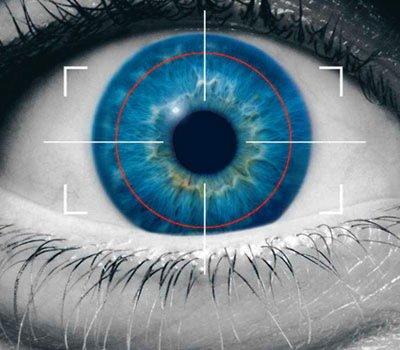
We’re going to see why are smartphones the best channels to deliver biometric systems to crowds and what other biometric authentication systems can be enabled on electronic devices, besides fingerprint recognition.
The biggest mobile companies in the world wouldn’t have placed such an irreversible and expensive bet on their devices (biometric authentication systems), if they weren’t convinced the customer base wanted and would pay for this kind of security on their devices. So, why is a smartphone the best channel for delivering biometric systems to the masses?
For one, it’s convenient. Think about this: the average resident in Great Britain has, on average, to remember 19 passwords across all e-mail, finance and social media platforms. Wouldn’t it be easier, more efficient and more secure if all they needed was a quick finger or iris scan? Also, biometric authentication systems fit perfectly on the small display of phones nowadays, providing a better user experience – no need to change keyboards or type long usernames.
Let’s not forget that most phones either are already equipped with all the sensors needed for this technology to work, or they can easily be adapted to accommodate it. It may be convenient to use our electronic devices as wallets and payment authorization platforms on the go, but that’s precisely why we’ll need extra security for the device. Enabling biometric authentication on the lock screen is the first line of defense against identity and information theft.
Finally, the biometric scanners used on smartphones, such as Apple’s Touch ID, are usually open to third-party developers, allowing them to offer you equally secure access to apps.