Online platforms and mobile apps frustrate Canadian gig workers when it comes to pay day, reveals new Payments Canada study
By Lauren Towner · 4 May 2023
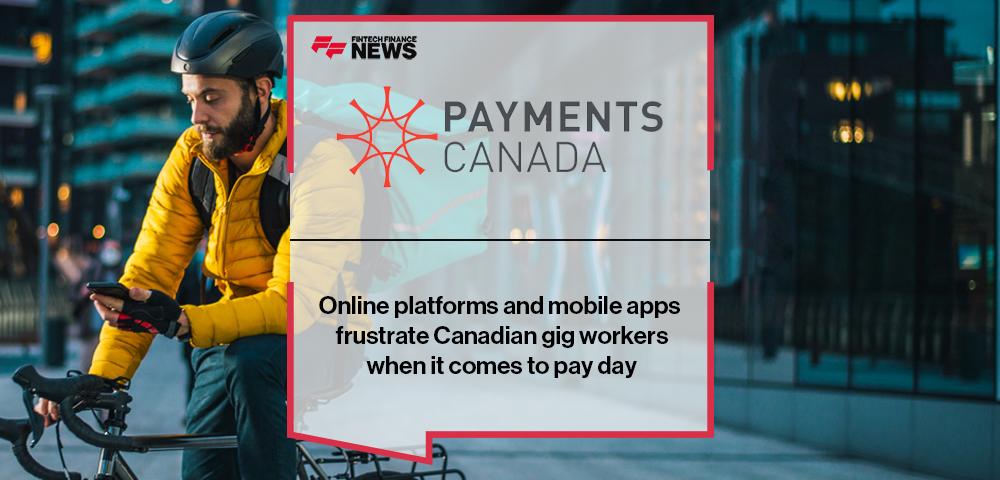
The gig economy has quickly become a key employment source for more than one in ten working Canadians (12%), of which 21% rely on gig work as their primary source of income and 65% rely on it to supplement another source of income.
Despite the economic importance of the gig economy to boost Canadians’ income, a new study by Payments Canada reveals that many gig workers feel skeptical of the digital and mobile platforms that 51% of workers rely on to source work; fuelled by pain points when it comes to how and when they are getting paid.
This points to an opportunity to evolve future payment systems for gig workers, including through digital gig platforms. The newly released study, conducted between February 27 and March 10, 2023, explores the profile of Canadian gig workers and how they are engaging in the gig economy.
Key study findings:
- 82% of Canadian gig workers work part-time
- 67% have worked in the gig economy for three years or less
- 41% of gig workers do not agree that gig platforms are a good way to make a living
- 36% say time to get paid is a major pain point
- 27% of Canadian gig workers are newcomers to Canada
- 94% of gig workers send money internationally on a frequent or occasional basis
- Gig workers skew younger (43%), male (61%), well-educated (57%) and living in urban areas (50%)
- Being able to control their own schedule (37%)
- To cover gaps or changes in income (36%)
- For fun or something to do in their spare time (32%)
- To enable them to be their own boss (31%)
- As there are not many job opportunities in the area they live (18%)
- Restaurant deliveries, such as DoorDash, UberEats (30%)
- Shopping for or delivery of groceries/ household items, such as Instacart (29%)
- Household tasks like cleaning, furniture assembly and errands, such as TaskRabbit (24%)
- Using a personal car for package deliveries, such as Amazon Flex (15%)
- Driver for ride-hailing, such as Uber or Lyft (14%)
Companies in this story: Payments Canada
People in this story: Jon Purther