BASIS ID Disrupts the KYC & AML Data Management
By FF Newsroom · 15 June 2020
KYC (Know Your Customer) is an integral part of fighting Money Laundering and Terrorist Financing. It has become one of the necessities for every organization in the financial sector.
Managing your customers’ KYC data can be very frustrating, however, there’s a solution - a data management platform.
When you start screening thousands of customers, it can quickly get out of hand. There’s so much data that needs to be stored and retrieved. A KYC & AML data management platform is a CRM that allows you to manage gigantic volumes of customer information while being able to easily sort the data and view the necessary information as well as control user actions and verifications based on your risk appetite.
The goal of the data management platform is to make the life of a responsible manager easier by giving him a wide and convenient toolkit while meeting the meticulous requirements of working with personal data. Here are a few benefits of using an onboarding CRM system:
- Conveniently organized customer data backed with a huge number of databases.
- The detailed history of user actions with his or her documents at the stage of the onboarding and KYC process.
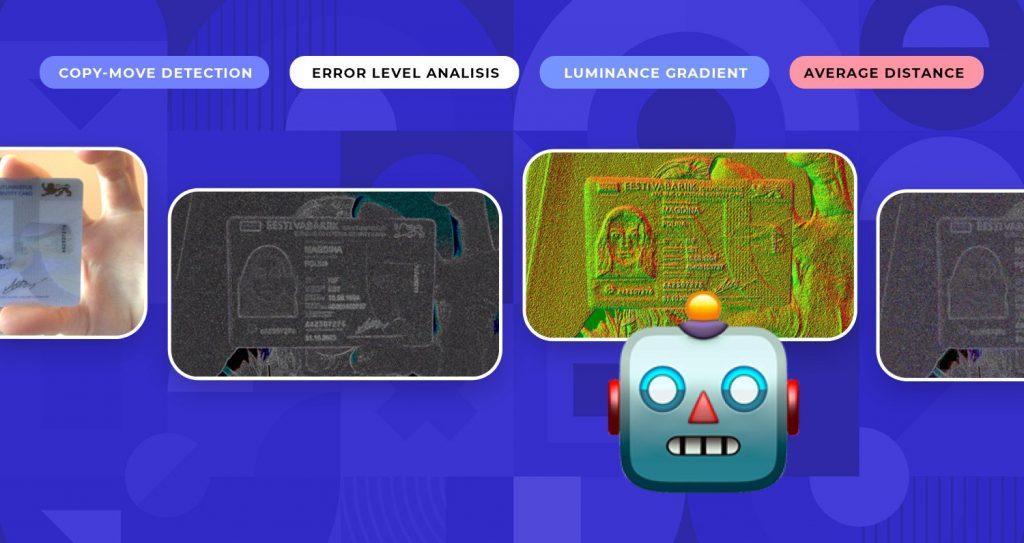
- The transparency of the algorithms of the verification tools, which gives a full view of magical processes that usually happen behind the scenes.
Convenience
The new platform was created with users in mind and client feedback. We have worked in cooperation with our customers to create a perfect system that suits your needs. It’s intuitive and does not require a long training process. BASIS ID onboarding platform provides a simple overview of all of the users you have.- The main account list displays the key information about users alongside the decision of their approval. Moreover, it shows which specific parts of the KYC process were approved or declined.
- There’s an option to customize the CRM to show the data that is the most relevant for you.
- There’s a filtering system, which allows you to find users quickly and take required actions within seconds. You can, for example, sort the data based on the risk level.
- You will get alerts about specific accounts that need to be reviewed through the smart notification system.
- You can easily view if a user wants to submit additional documents or change their data.
- User profiles have a simple-to-understand summary of AML screening.
- Compliance officers do not need to type any data manually because BASIS ID uses advanced OCR technology. BASIS ID is the only KYC provider to perform OCR on hieroglyphic characters, which allows it to work in such countries as China, Malaysia, Thailand, Indonesia, etc.
- You can view only certain parameters depending on your risk appetite.
- Reports for the regulators are generated automatically.
Transparency
One of the main goals for creating a new CRM was to provide as much transparency as possible. BASIS ID wanted to make sure that for the compliance officers it is crystal-clear why certain individuals were accepted and others rejected. Such clarity also makes customer communication very easy. Compliance officers can request missing or additional data instead of making users redo the whole KYC process from the beginning. Finally, knowing which users got rejected and why allows you to easily optimize verification settings to mitigate false positives and optimize the KYC process. Moreover, BASIS ID architecture allows to track all the verification attempts a user takes and provides targeted customer support. The transparency is achieved by displaying detailed data about each user instead of a generic decision (approved/rejected). The profile of the user also provides lots of useful data.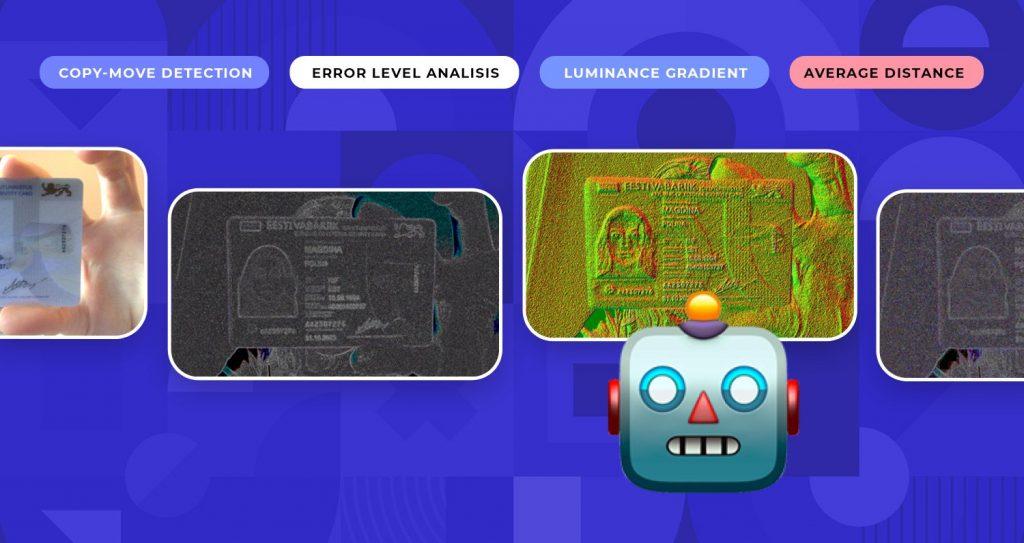
- You can view the history of user actions: document uploads, information changes, etc.
- Requests to amend data or re-upload the documents.
- Cross-comparison of OCR data, manually input data, and the picture of the document.
- The results of blacklist screening and descriptions of the matches along with the links to the data source.
- The mechanism of biometric verification uses 500 frames from the video to create a 3D model of a user’s face to do the liveness check and biometric matching. 50 frames are displayed in the CRM for a visual representation.